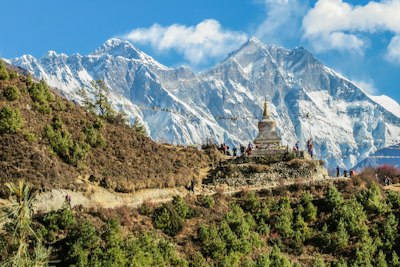

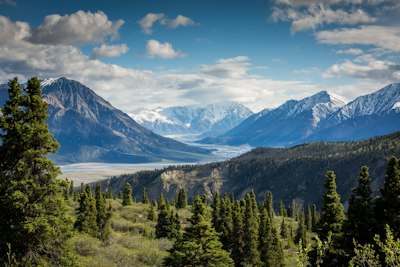
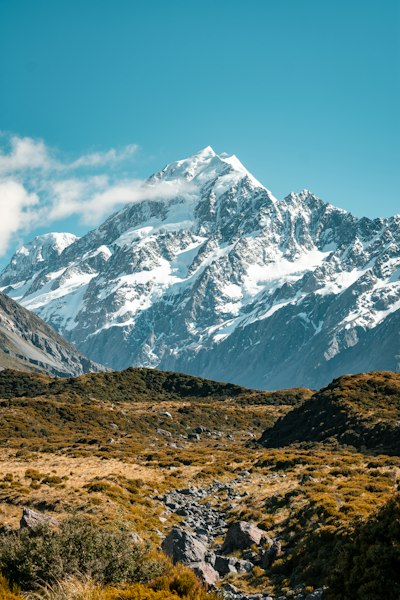
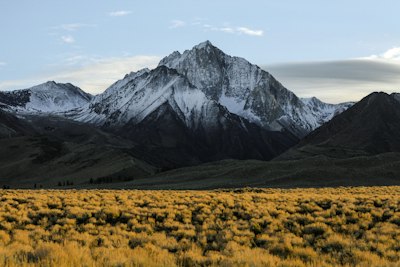
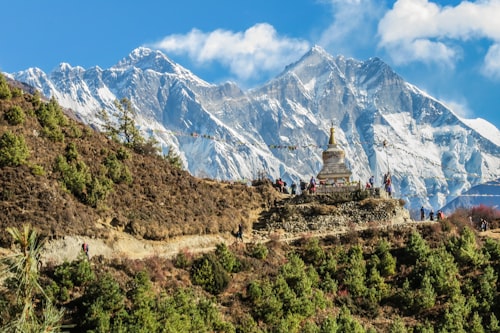

Perched at 9,400 ft in East Sikkim, Zuluk (Dzuluk) is a charming historic hamlet on the legendary Old Silk Route. It is best known for its dramatic 32-turn Zig-Zag road, breathtaking sunrise views of Mount Kanchenjunga from Thambi View Point, and serene high-altitude lakes such as Elephant (Kupup) Lake. With every season, Zuluk transforms into a completely different mountain landscape, making it a destination worth experiencing again and again.
Whether you want to witness mountain slopes covered in wild rhododendrons or navigate a frozen wonderland, timing your trip is key. For custom itineraries and hassle-free permit assistance, explore our Zuluk Silk Route Sikkim Tour Package or check out our in-depth Zuluk Silk Route Travel Guide. Here is the complete details about the zuluk best time to visit.
1. Quick Season Comparison
Metric / Feature | Spring (March – May) | Autumn (Sept – Nov) | Winter (Dec – Feb) | Monsoon (June – Aug) |
Primary Highlight | Zuluk in May rhododendron season & blooming wildflowers | Crystal-clear skies & golden Kanchenjunga views | Fresh Snowfall & frozen Kupup Lake | Lush green hillsides & misty valleys |
Average Temperature | 5°C to 15°C | 2°C to 12°C | -10°C to 5°C | 10°C to 20°C |
Snowfall Likelihood | Low (Occasional in early March) | Rare | High (Best month for snow in Zuluk: Jan–Feb) | None |
Road Accessibility | High (Clear roads) | Highest / Safest driving conditions | Medium to Low (high passes close) | Low (Landslide risk) |
Recommended For | Families, nature lovers, bird watchers | Photographers, clear mountain views | Adventure seekers, snow enthusiasts | Offbeat & budget travelers |
1. Seasonal Deep-Dive & Trade-Offs
Spring & Blooming Season (March to May)
Visual Appeal: As snow melts in late March, wild alpine flowers emerge. By May, over 30 species of rhododendrons, primulas, and orchids bloom across the Pangolakha Wildlife Sanctuary and lower valleys.
Road Conditions: Highly reliable. Landslides are virtually non-existent, and road black ice has cleared, making this the safest season for family travel.
Temperature Reality: Daytime temperatures stay pleasant (8°C to 15°C), though early mornings and nights still hover around 3°C to 5°C.
Best For: Seniors, families with children, nature photographers, and birdwatchers (spotting the Himalayan Monal and Blood Pheasant).
Autumn & Golden Visibility (September to November)
Visual Appeal: Post-monsoon rains wash the atmosphere clean, offering the sharpest, crystal-clear views of Mount Kanchenjunga and the Eastern Himalayan range from Thambi View Point.
Road Conditions: Roads are dry, fully open, and cleared after monsoon maintenance.
Temperature Reality: Mild during the day (5°C to 12°C), dropping sharply near 0°C at night by late November.
Best For: Professional landscape photographers, stargazers, and road-trippers wanting uninterrupted mountain views.
Winter & Snow Season (December to February)
Visual Appeal: The 32 hairpin turns of the Zig-Zag road, homestay rooftops, and surrounding pine forests get blanketed in thick snow. Kupup (Elephant) Lake freezes over completely.
Road Conditions: Unpredictable. While Zuluk village (9,400 ft) remains accessible, higher passes like Nathang Valley (13,500 ft), Kupup, and Baba Mandir can close without warning due to heavy snow spells or black ice.
Temperature Reality: Sub-zero climate. Night temperatures in Zuluk drop to -5°C, while Nathang Valley routinely plunges between -10°C and -15°C.
Best For: Snow lovers, couples, and adventure travelers looking for offbeat winter landscapes.
2. Essential Packing Guide by Season
Season | Clothing Essentials | Gear & Personal Care |
Spring & Autumn | Heavy fleece jacket, thermal innerwear, windcheater/windproof jacket, full trousers, woolen cap, and thick socks. | Lip balm, cold cream, sunglasses (for glare), thermos flask, and basic altitude sickness medicines. |
Winter | High-grade heavy down jacket, heavy thermal innerwear (2 sets), waterproof gloves, woolen muffler, and waterproof boots with good grip. | Hand warmers, insulated water bottle, heavy moisturizer, torch/headlamp, and cash reserves (ATMs do not work in cold/power outages). |
Monsoon | Quick-dry trekking pants, waterproof rain jacket/poncho, extra pairs of socks, and waterproof footwear. | Waterproof bags for electronics, umbrella, anti-leech spray/salt, and extra travel buffer days. |
3. Critical Travel & Altitude Tips
Acclimatization First: Never drive straight from Siliguri/NJP (sea level) to Nathang Valley (13,500 ft) in one day. Always break the journey with a night halt at Zuluk (9,400 ft) or Padamchen to prevent Acute Mountain Sickness (AMS).
Local Homestay Infrastructure: Homestays in Zuluk and Nathang are basic and family-run. Running hot water is provided via buckets or room geysers (subject to electricity). During winter, room heaters or hot water bags are supplied on request.
Vehicle & Driver Selection: Outside commercial vehicles (non-SK registration) are restricted past Rongli check post. Always hire a Sikkim-registered SUV (Bolero, Scorpio, Xylo) with an experienced local driver familiar with mountain black ice and steep turns.
