

How to Prepare for Kedarkantha Trek: The Ultimate Guide
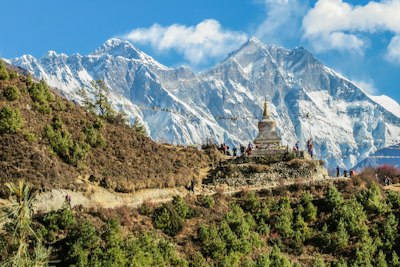
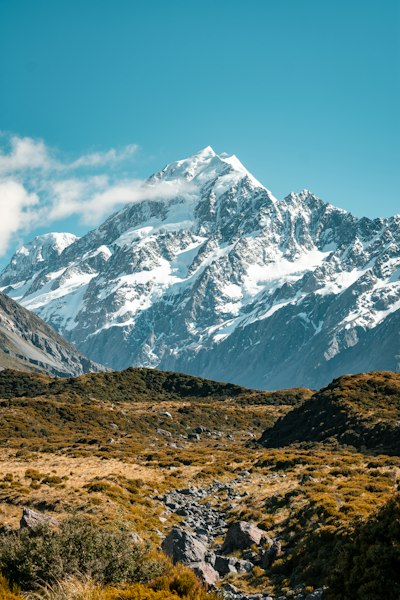
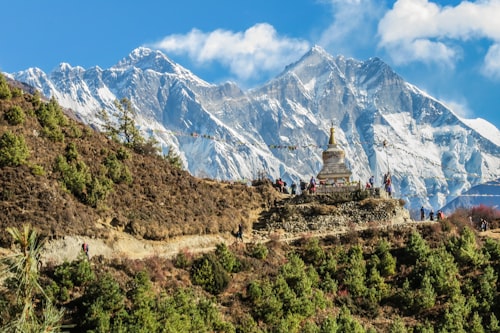
Preparing for the **Kedarkantha Trek**—one of the most popular winter treks in the Indian Himalayas—is key to ensuring a safe, enjoyable, and memorable adventure. Rising to an altitude of **12,500 feet (3,810 meters)** in the Uttarkashi district of Uttarakhand, this trek offers stunning snow-covered trails, dense pine forests, and breathtaking 360-degree views of Himalayan giants like Swargarohini, Black Peak, and Bandarpoonch.
While Kedarkantha is beginner-friendly, high-altitude winter trekking presents unique challenges. Sub-zero temperatures, steep slopes, and thin air demand proper physical, mental, and gear preparation.
---
1. Physical Fitness Preparation
To fully enjoy the trek, start your fitness routine **4 to 6 weeks** before your departure.
Cardiovascular Endurance (Stamina)
Your target is to be able to run **5 kilometers in 30 minutes** comfortably.
- **Week 1-2:** Jog 3 km at a slow, consistent pace, 3-4 times a week.
- **Week 3-4:** Increase distance to 4.5 km and introduce interval training (alternating sprinting and jogging).
- **Week 5-6:** Maintain a 5-6 km running distance and focus on pace consistency.
Strength & Core Training
Trekking with a backpack requires strong legs, back, and core.
- **Squats & Lunges:** 3 sets of 15 repetitions daily to strengthen quadriceps and hamstrings.
- **Planks:** Hold a plank for 1-2 minutes daily to build core stability.
- **Stair Climbing:** Climb 4-5 flights of stairs multiple times a day to simulate steep uphill trails.
---
2. Cold Weather Layering Guide
During winter, temperatures at Kedarkantha can drop to **-10°C** at night. The key to staying warm is the **multi-layering system**:
1. **Base Layer:** Moisture-wicking polyester thermals (avoid cotton as it holds sweat and makes you cold).
2. **Mid Layer:** A warm fleece jacket or a light sweater to trap body heat.
3. **Insulating Layer:** A high-loft down jacket (essential for evenings and the summit push).
4. **Outer Layer:** A windproof, waterproof jacket and pants to shield you from snow and cold winds.
---
3. Essential Gear to Pack
Do not compromise on the quality of your gear. Here are the non-negotiables:
- **Trekking Shoes:** High-ankle, waterproof shoes with deep lugs for snow grip.
- **Backpack:** A 50-60 liter backpack with proper waist straps and a rain cover.
- **Trekking Poles:** Essential for balance on steep snowy descents.
- **Headlamp/Flashlight:** Required for the early morning summit push (starting at 3:00 AM).
- **Microspikes & Gaiters:** Usually provided by Glovent Treks, but ensure they fit well over your boots before starting.
---
4. Acclimatization & Safety Tips
- **Hydrate:** Drink 4-5 liters of water daily. Dehydration accelerates Acute Mountain Sickness (AMS).
- **Consistent Pace:** Walk slowly and steadily. Avoid running or pushing too hard.
- **Stay Warm:** Change out of sweaty clothes immediately upon reaching campsites.
- **Medication:** Carry basic medicines for headache, nausea, and AMS (consult your doctor before taking Diamox).